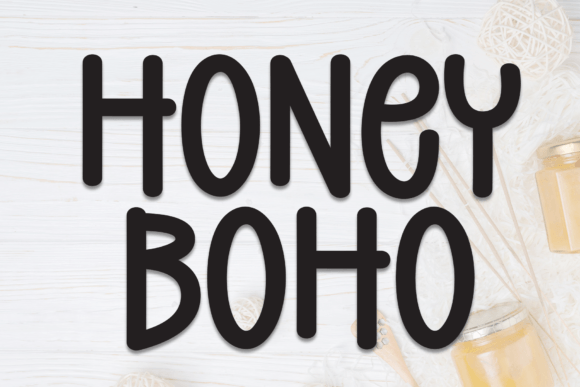
Honey Boho: Mastering the Art of Whimsical Typography in Modern Design
Typography is often the silent ambassador of your brand or personal project. When you choose a typeface, you are not just selecting letters; you are curating an emotional response. Honey Boho enters this space as a distinctive handwritten display font, offering a delightful fusion of sweet and friendly strokes that immediately softens the visual landscape. For designers, entrepreneurs, and hobbyists alike, this typeface presents an opportunity to infuse projects with genuine warmth. However, the allure of such expressive typography can sometimes lead to practical missteps. Understanding how to wield this tool effectively ensures that your creative expressions remain professional, legible, and impactful.
The Appeal of Handwritten Aesthetics
The rise of digital design has created a paradoxical demand for human touch. In an era of sleek, geometric sans-serifs, audiences crave authenticity. Honey Boho answers this call by mimicking the natural irregularities of hand-lettering. It is particularly effective for embellishing wedding invitations, greeting cards, or any design craving a dash of whimsy. The font’s charm lies in its ability to feel personal without appearing amateurish. Yet, many users overlook the specific contexts where this style thrives versus where it fails. Recognizing this boundary is the first step toward mastering its application.
Common Pitfalls in Using Display Fonts
While Honey Boho is enchanting, it is not a universal solution. One of the most frequent mistakes creators make is overusing display fonts for body text. Because this typeface features unique ligatures and varying stroke weights, it demands attention. When used for long paragraphs, it causes eye fatigue and reduces readability. This error affects communication efficiency, causing readers to disengage rather than absorb your message. A better approach is to reserve Honey Boho for headlines, short quotes, or accent words, pairing it with a clean, neutral sans-serif for the main content. This contrast creates a visual hierarchy that guides the viewer’s eye naturally.
Another common misunderstanding involves color and background contrast. Handwritten fonts often have thinner strokes and intricate details. Placing Honey Boho against a busy patterned background or using low-contrast color combinations can render the text illegible. This oversight compromises the quality of your presentation, making the design look cluttered rather than charming. To avoid this, always test your typography on solid, high-contrast backgrounds. If you must use a textured backdrop, consider adding a subtle drop shadow or a solid shape behind the text to ensure clarity.
Technical Considerations and Licensing
Before downloading or purchasing any font, including Honey Boho, it is crucial to understand licensing terms. Many beginners assume that downloading a font from a free resource grants them unlimited commercial rights. This is rarely the case. Using a personal-use-only font for a client’s logo or a product label can lead to legal complications and unexpected costs. Always verify whether the license allows for commercial use, web embedding, or print distribution. Checking these details before making a decision protects your business and respects the creator’s intellectual property.
Furthermore, technical compatibility is often overlooked. Not all design software supports advanced OpenType features, which may include alternate characters or ligatures that give Honey Boho its unique character. If your software does not support these features, the font may appear disjointed or less polished. Test the font in your intended environment—whether it is Adobe Illustrator, Canva, or a web browser—to ensure it renders correctly. This proactive step prevents last-minute redesigns and ensures consistency across different platforms.
Strategic Application for Maximum Impact
To truly leverage the potential of Honey Boho, consider the emotional tone of your project. This font excels in contexts that value intimacy and joy. For instance, a bakery brand might use it for packaging labels to convey homemade quality, while a wedding planner could employ it for save-the-date cards to suggest elegance and personal care. However, using it for a corporate financial report or a tech startup’s serious whitepaper would create a tonal mismatch. Aligning the font’s personality with your brand voice is essential for coherent communication.
- Pairing: Combine Honey Boho with simple, structured fonts to balance whimsy with professionalism.
- Spacing: Adjust letter spacing carefully. Handwritten fonts often need slight adjustments to prevent overlapping or excessive gaps.
- Scale: Ensure the font is large enough to be read easily, especially on mobile devices where screen real estate is limited.
Evaluating Quality Before Commitment
When evaluating Honey Boho or similar typefaces, look beyond the initial aesthetic appeal. Examine the full character set. Does it include necessary punctuation, numbers, and multilingual support if needed? A font that lacks basic glyphs can hinder your workflow and force awkward workarounds. Additionally, check for consistency in stroke weight and baseline alignment. High-quality handwritten fonts maintain a cohesive style despite their organic appearance. Inconsistencies here can make the design look unintentional rather than artistic.
It is also wise to consider the longevity of your design choice. Trends in typography shift rapidly. While Honey Boho fits current preferences for authenticity, ensure it aligns with your long-term brand identity. If you are designing a logo, ask yourself if this style will still feel relevant in five years. For temporary campaigns or seasonal greetings, trending styles are perfectly acceptable. For core brand assets, prioritize timelessness over novelty.
Making the Right Choice for Your Project
Ultimately, the decision to use Honey Boho should be driven by purpose, not just preference. Ask yourself: Does this font enhance the message? Does it improve the user experience? If the answer is yes, proceed with confidence. If there is doubt, step back and reassess. Remember, good design is invisible; it facilitates understanding rather than distracting from it. By avoiding common pitfalls and applying practical strategies, you can harness the expressive charm of this typeface to create designs that resonate deeply with your audience.
Whether you are a seasoned designer refining your toolkit or a small business owner crafting your first invitation, approaching typography with intention yields better results. Honey Boho offers a playful touch, but it is your strategic application that transforms it from a mere font into a powerful communication tool. Take the time to experiment, test, and refine. The effort you invest in selecting and using the right typeface will reflect in the quality and reception of your final work.