Finding Frog: A Strategic Guide to Typography for Playful Branding
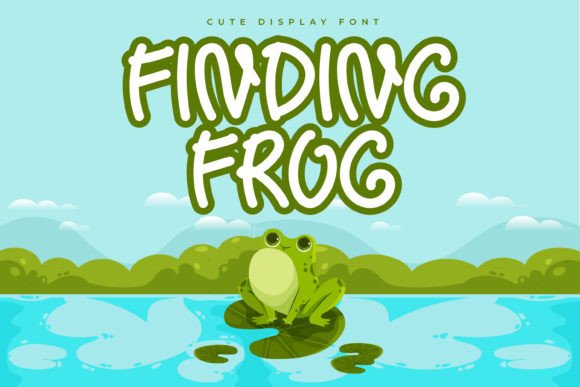
In the crowded landscape of digital communication and physical branding, the choice of typeface is rarely just an aesthetic preference; it is a strategic decision that dictates how a message is received before a single word is read. Finding Frog emerges as a distinct solution for those seeking to bridge the gap between professional clarity and approachable charm. As a playful and cute display font, it embodies a specific kind of trendiness rooted in authenticity. For entrepreneurs, educators, and creators targeting children's activities or school projects, Finding Frog offers more than visual appeal—it provides a psychological cue that signals safety, fun, and engagement.
However, the strategic utility of any display font lies not in its inherent cuteness, but in its intentional application. Using Finding Frog without a clear understanding of its limitations can dilute a brand's authority or confuse the target audience. To leverage this asset effectively, one must view typography as a component of a broader communication strategy. This guide explores how to deploy Finding Frog to support long-term goals, enhance customer experience, and maintain operational consistency across various creative endeavors.
The Strategic Value of Authentic Playfulness
The modern market is saturated with generic, corporate aesthetics that often feel sterile and disconnected from human emotion. In response, there is a growing demand for authenticity—designs that feel hand-crafted, genuine, and warm. Finding Frog capitalizes on this shift. Its design characteristics, which mimic the irregularity of handwriting while maintaining legibility, signal to the viewer that the content is personal and accessible.
For small business owners launching a line of educational toys or freelancers designing materials for a preschool, this font serves as a trust signal. It tells the parent or educator, "This was made with care for your child." When used correctly, Finding Frog reduces the cognitive load required to engage with the material. The brain recognizes the friendly curves and relaxed spacing as non-threatening, lowering barriers to entry for young learners or skeptical parents.
Strategically, this aligns with the principle of emotional resonance. A font that feels too rigid can alienate a demographic that thrives on imagination. Conversely, a font that is too chaotic can undermine the educational value of the project. Finding Frog strikes a balance, offering enough structure to be readable while retaining the whimsical energy necessary for children's activities. This balance is crucial for positioning a brand as both competent and compassionate.
Defining the Scope: Where Finding Frog Belongs
One of the most common errors in typographic strategy is the overuse of display fonts. Finding Frog is explicitly designed as a display font, meaning it is intended for headlines, logos, short captions, and decorative elements rather than body text. Understanding this distinction is vital for maintaining readability and professional standards.
Consider the following high-impact use cases where Finding Frog delivers maximum value:
- School Project Headers: When creating posters, worksheets, or presentation titles for students, using Finding Frog immediately captures attention and sets a positive tone for the learning activity.
- Children's Event Invitations: Birthday parties, storytime sessions, and community workshops benefit from the font's inviting nature. It transforms a standard invitation into an exciting announcement.
- Brand Logos for Youth Products: Startups focusing on kids' apparel, books, or apps can use Finding Frog to create a memorable identity that stands out against competitors using standard sans-serif or serif fonts.
- Social Media Graphics: In the fast-scrolling environment of social media, the unique character of Finding Frog can stop the scroll, particularly when paired with vibrant imagery related to education or play.
Conversely, relying on Finding Frog for paragraphs of instructional text is a strategic error. The irregular shapes and varying weights that make the font charming in a headline become fatiguing to the eye when stretched over multiple lines. For body copy, pairing Finding Frog with a clean, highly legible sans-serif font creates a hierarchy that guides the reader's eye and ensures information is absorbed efficiently.
Aligning Typography with Long-Term Goals
Effective branding requires consistency over time. A font chosen today should still serve the brand's objectives five years from now. While trends in graphic design evolve rapidly, the core appeal of Finding Frog—its connection to childhood wonder—remains relatively stable. However, decision-makers must consider whether this specific style supports their long-term growth trajectory.
If a business plans to expand from selling children's coloring books to offering adult educational consulting, the exclusive use of a "cute" font like Finding Frog may eventually limit perceived credibility. In such scenarios, the font should be relegated to sub-brands or specific product lines dedicated to youth, while the main corporate identity adopts a more neutral typeface. This segmentation allows the organization to maintain authenticity in its niche without compromising its broader professional standing.
Furthermore, thoughtful planning involves considering accessibility. While Finding Frog is visually engaging, its stylistic flourishes can pose challenges for individuals with dyslexia or other visual processing differences. A strategic approach includes testing the font in various sizes and contexts to ensure inclusivity. If the primary goal is universal access, Finding Frog should be used sparingly, primarily for decoration, while ensuring critical information is conveyed through accessible, standard typography.
Risks of Contextless Application
The danger of using Finding Frog without a clear strategic framework is the risk of appearing unprofessional or trivializing serious subjects. In sectors where trust and authority are paramount, such as medical advice for children or financial literacy programs for families, an overly playful font can inadvertently suggest a lack of rigor.
Decision-makers must ask themselves: Does this font reinforce the message, or does it distract from it? If the content is about safety protocols in a classroom, a whimsical font might undermine the gravity of the instructions. Similarly, if a marketing campaign aims to position a product as a premium, high-end educational tool, the casual nature of Finding Frog might clash with the desired perception of exclusivity.
Another risk is visual fatigue. Because Finding Frog is so distinctive, using it across every touchpoint—from email signatures to invoice headers—can overwhelm the audience. The novelty wears off quickly, leaving the brand looking cluttered rather than cohesive. Strategic restraint is key; the font should be a highlight, not the background noise.
Implementation: A Practical Framework
To integrate Finding Frog successfully into your workflow, adopt a structured approach that prioritizes clarity and intent. Begin by defining the specific role the font will play within your visual identity system. Is it the primary logo font? A secondary accent for social media? Or a seasonal element for holiday campaigns?
Next, establish clear guidelines for usage. Create a style guide that specifies:
- Size Constraints: Determine the minimum point size at which Finding Frog remains legible. Display fonts often lose detail when scaled down too small.
- Color Pairings: Experiment with color combinations that complement the font's playful nature without causing visual strain. High contrast is essential for readability.
- Pairing Rules: Select a complementary body font that contrasts well with Finding Frog. A simple geometric sans-serif usually works best to ground the whimsy of the display font.
- Contextual Limits: Define scenarios where the font is strictly prohibited, such as legal disclaimers or technical specifications.
Finally, test the implementation with your actual audience. Show mockups of your materials to parents, teachers, or potential customers. Observe their reactions. Do they find it engaging? Does it convey the right message? Feedback loops are essential for refining your typographic strategy and ensuring that Finding Frog is serving its intended purpose.
Conclusion: Intentionality Over Impulse
Finding Frog is a powerful tool for anyone looking to inject warmth, creativity, and authenticity into their communications. Its ability to evoke a sense of play makes it ideal for children's activities, school projects, and brands that wish to connect with families on an emotional level. However, its power is contingent upon disciplined, strategic use.
By treating typography as a deliberate element of your overall business strategy, you ensure that every design choice contributes to your long-term goals. Avoid the trap of using Finding Frog simply because it looks nice; instead, use it because it solves a specific communication problem. When applied with foresight and context, this playful font becomes more than just a visual style—it becomes a catalyst for engagement, learning, and meaningful connection.