Handycraft: A Strategic Guide to Retro Typography in Modern Branding
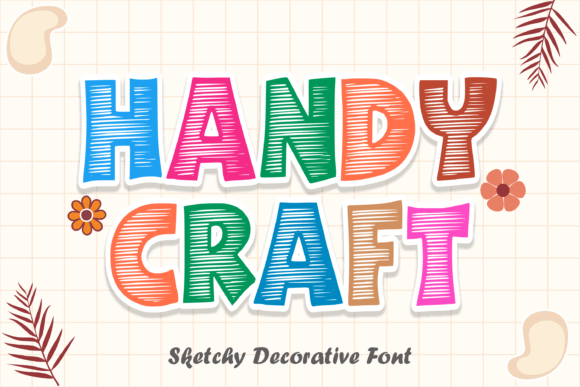
In the crowded landscape of digital and print design, typography often serves as the silent ambassador of a brand's identity. It is not merely about selecting letters that are legible; it is about choosing a visual voice that resonates with your audience's emotional state and cultural expectations. Handycraft, a handcrafted retro-style font, represents more than a nostalgic aesthetic choice. When deployed with intention, it becomes a strategic asset capable of conveying authenticity, cheerfulness, and a distinct connection to the vibrant energy of the hippie era. For entrepreneurs, marketers, and creators aged 20 to 50, understanding how to leverage Handycraft requires moving beyond surface-level trends and examining its functional role in communication, branding, and long-term customer engagement.
The Strategic Value of Authenticity in Visual Identity
The modern consumer is increasingly skeptical of polished, corporate perfection. There is a growing appetite for brands that feel human, tactile, and genuine. This shift creates a unique opportunity for typefaces like Handycraft. Its irregular strokes and organic forms mimic the imperfections of hand-lettering, signaling to the viewer that a real person crafted the message. In an era dominated by sleek sans-serifs and algorithmic design, this perceived authenticity can be a powerful differentiator.
Strategically, using Handycraft allows a brand to position itself as approachable and community-focused. Whether you are launching a small business, curating a blog, or designing a personal planner, the font's inherent warmth lowers the psychological barrier between the creator and the audience. It suggests that the content within is curated with care rather than mass-produced. For decision-makers looking to build trust quickly, this visual cue acts as a shorthand for reliability and sincerity. However, this power is contingent on alignment; the font must match the actual values and operational reality of the brand to avoid appearing disingenuous.
Defining the Right Context for Handycraft
While Handycraft offers significant creative potential, its effectiveness is highly context-dependent. It is not a universal solution for all typographic needs. To achieve better results, one must carefully evaluate where this specific aesthetic adds value versus where it might create friction.
Ideal Use Cases:
- Branding and Logos: Perfect for businesses rooted in wellness, sustainability, artisanal goods, or lifestyle coaching. The retro vibe evokes a sense of timelessness and groundedness.
- Invitations and Greeting Cards: The cheerful nature of the font makes it ideal for social events, weddings, and personal correspondence where a warm, inviting tone is required.
- Blog Posts and Content Headers: For niches focused on creativity, history, travel, or mindfulness, Handycraft can break up dense text and guide the reader through sections with visual interest.
- Physical Products: Planners, photo albums, and home decor items benefit from the tactile quality of the font, enhancing the unboxing experience and perceived value.
- Advertisements: Campaigns targeting nostalgia or promoting "slow living" concepts can use Handycraft to stand out against competitors using standard digital fonts.
Conversely, there are scenarios where Handycraft may hinder communication goals. Technical documentation, financial reports, or high-stakes legal communications require neutrality and maximum legibility. In these contexts, the decorative elements of Handycraft could introduce cognitive load, distracting the reader from critical information. Strategic planning involves knowing when to hold back and when to embrace the style fully.
Planning Your Typographic Implementation
Integrating Handycraft into a project should never be an afterthought. It requires a deliberate planning phase similar to any other core business decision. Before committing to the font, ask yourself what specific emotion or action you want to trigger in your audience. Is the goal to inspire relaxation? To evoke a sense of playful rebellion? Or to signal a return to traditional craftsmanship?
If the answer aligns with the font's character, proceed with a structured approach. Start by testing Handycraft in isolation. Does it remain legible at various sizes? How does it pair with secondary typefaces? A common mistake is using a display font like Handycraft for body copy. Instead, reserve it for headlines, logos, and accents, pairing it with a clean, neutral sans-serif or serif for paragraphs. This combination ensures that the charm of the retro style enhances the message without compromising readability.
Consider the medium as well. On a mobile screen, intricate details can sometimes get lost if the resolution is low. Ensure that the weight of the Handycraft characters is sufficient for digital displays. For print applications like greeting cards or planners, the font shines, but you must account for ink spread and paper texture. A test print is always advisable before finalizing large runs.
Mitigating Risks in Creative Decision-Making
Every design choice carries risk, and the use of highly stylized fonts like Handycraft is no exception. The primary danger lies in the "novelty trap"—using a font because it looks interesting without considering its long-term viability. Trends in design, even those rooted in history, can cycle rapidly. If a brand builds its entire identity around a fleeting interpretation of the hippie era, it risks dating itself prematurely.
To mitigate this, focus on the underlying principles rather than just the aesthetic. Why does the retro style work? It works because it feels human. Therefore, the strategy should be to communicate humanity, with Handycraft serving as the vehicle. If the trend shifts, the core message of authenticity remains relevant, and the brand can adapt its visual language while maintaining its soul.
Another risk is inconsistency. Using Handycraft sporadically across different touchpoints—sometimes on a logo, sometimes on a flyer, but absent from the website—can confuse the audience and dilute brand recognition. Consistency is key to building a cohesive customer experience. Once you decide that Handycraft is part of your visual identity, define clear guidelines for its usage. Specify which weights, colors, and pairings are approved. This discipline ensures that every interaction reinforces the intended brand perception.
Enhancing Productivity and Creative Output
Beyond branding, the right tools can significantly impact productivity and creative flow. For freelancers, educators, and hobbyists, having a versatile font like Handycraft in their toolkit streamlines the design process. Instead of spending hours searching for custom illustrations or hiring a calligrapher for every project, Handycraft provides an immediate, high-quality solution that captures the desired mood.
This efficiency allows creators to focus on higher-level strategic tasks, such as content planning, audience engagement, and product development. When designing a planner or a photo album, the ability to instantly apply a charming, retro header can accelerate the production timeline without sacrificing quality. For bloggers and publishers, it offers a quick way to differentiate sections of content, making long-form articles more scannable and engaging.
Furthermore, the font can serve as a catalyst for creativity. Sometimes, a specific typeface can unlock new ideas for layout, color palettes, and imagery. The whimsical nature of Handycraft might encourage a designer to experiment with earth tones, floral motifs, or collage techniques, leading to a more dynamic and memorable final product. This ripple effect demonstrates how a single design element can influence the broader scope of a project.
Long-Term Results and Customer Experience
The ultimate measure of a strategic decision is its impact on long-term results. In the context of typography, this translates to brand recall, customer loyalty, and conversion rates. A well-executed visual identity using Handycraft can create a lasting impression. When a customer receives a greeting card or sees a logo that feels warm and authentic, they are more likely to form an emotional connection with the brand.
This emotional connection is crucial for retention. In competitive markets, customers often choose brands that make them feel good. The cheerfulness and authenticity embodied by Handycraft contribute to a positive user experience. Whether it's an advertisement that stops the scroll or a planner that brings joy to daily organization, the font plays a subtle but vital role in shaping perception.
However, to sustain these results, the brand must deliver on the promise made by the font. If Handycraft signals a handmade, personalized experience, the product or service must reflect that same level of care. Discrepancies between visual promise and actual delivery can lead to distrust and churn. Therefore, the font should be viewed as part of a holistic strategy that encompasses operations, customer service, and product quality.
Final Considerations for Intentional Use
As you consider integrating Handycraft into your next project, remember that the best design decisions are those made with clarity of purpose. Do not use it simply because it is trendy or available. Use it because it aligns with your strategic goals, supports your message, and enhances the experience of your audience. By approaching typography with a thoughtful, planned mindset, you transform a simple font into a powerful tool for growth and connection.
Whether you are a small business owner crafting your first logo or a seasoned marketer refining a campaign, the charm of Handycraft offers a unique opportunity to stand out. Embrace its retro spirit, but ground its application in practical strategy. With careful planning and intentional execution, you can create designs that are not only visually delightful but also strategically sound, driving meaningful outcomes for your projects and your audience.