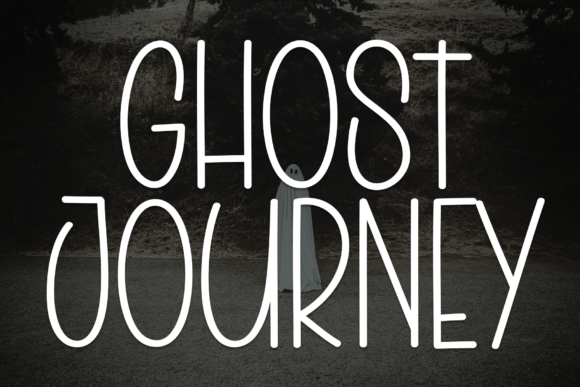
Ghost Journey: A Handwritten Display Font for Warm, Playful Designs
In the crowded landscape of digital typography, finding a typeface that feels genuinely human is a challenge. Ghost Journey emerges as a solution to this problem, offering a charmingly delightful handwritten display font that resonates with warm friendliness and a sweet appeal. It is not merely a collection of characters; it is a design tool intended to infuse your projects with a fun yet sophisticated vibe. Whether you are crafting wedding invitations, designing greeting cards, or building a brand identity that requires a playful twist, this font has the potential to captivate and endear your audience in ways that rigid, geometric sans-serifs simply cannot.
However, the allure of a beautiful script font often leads designers—both beginners and seasoned professionals—to make hasty decisions. The excitement of a new aesthetic can overshadow practical considerations regarding usability, legibility, and licensing. Understanding how to properly evaluate and apply Ghost Journey is crucial to ensuring your final output maintains quality and professionalism while delivering that intended emotional connection.
Understanding the Appeal and Scope of Ghost Journey
At its core, Ghost Journey is designed to mimic the natural flow of handwriting, capturing the imperfections and fluidity that make personal communication feel authentic. People are drawn to it because it bridges the gap between formal design and personal expression. In an era where digital communication often feels cold and automated, a font with a sweet appeal can instantly soften a message, making it feel like it was written by hand just for the recipient.
This makes it particularly valuable for specific use cases. For entrepreneurs launching a lifestyle brand, it adds a touch of approachability. For educators creating classroom materials, it introduces a sense of warmth. For wedding planners, it provides the elegance required for invitations without feeling overly stiff. The font's versatility lies in its ability to be both playful and sophisticated, allowing it to adapt to various contexts provided it is used correctly.
Common Mistakes When Choosing and Applying Script Fonts
Despite its strengths, Ghost Journey is not a universal solution for every text element. One of the most frequent errors creators make is treating it as a body copy font. Using a highly stylized handwritten display font for long paragraphs of text creates significant readability issues. The varying stroke widths, ligatures, and unique character shapes that give the font its charm become visual noise when stretched across multiple lines, causing eye strain and reducing comprehension.
Another common misunderstanding involves the assumption that "handwritten" automatically equals "informal." While Ghost Journey exudes a fun vibe, it possesses a level of sophistication that allows it to work in upscale settings. Conversely, some users attempt to force it into contexts that require strict authority or technical precision, such as legal disclaimers or medical instructions, where clarity must take precedence over style. This mismatch can undermine the credibility of the document and confuse the reader about the tone of the message.
Furthermore, many designers overlook the importance of pairing. A standout font like this needs a neutral partner to shine. Placing it against another decorative or heavy serif font often results in visual clutter. Without a clean, simple sans-serif or slab serif to balance it out, the design can feel chaotic rather than curated. This lack of hierarchy affects the overall presentation, making the project look amateurish despite the high quality of the individual assets.
The Impact of Poor Implementation on Your Project
These mistakes have tangible consequences. When legibility suffers, your audience disengages. If a wedding invitation is difficult to read due to poor font choices, guests may miss critical details like dates or locations, leading to confusion and frustration. In marketing, if a headline using Ghost Journey is paired with illegible body text, conversion rates drop because the user cannot quickly process the value proposition.
Additionally, ignoring licensing terms is a costly oversight. Many free or low-cost fonts come with restrictions on commercial use, number of users, or modification rights. Assuming that a font found online is free for unlimited commercial use can lead to legal disputes and forced rebranding later. This not only incurs financial costs but also damages professional reputation and trust with clients.
Practical Strategies for Success with Ghost Journey
To avoid these pitfalls and maximize the impact of Ghost Journey, a strategic approach is necessary. First, strictly limit its usage to headlines, pull quotes, logos, and short phrases. Let it serve as the "voice" of your design rather than the narrator. Use a highly readable sans-serif font for all body text to ensure your message is communicated clearly and efficiently.
When evaluating the font before purchase or download, check the character set thoroughly. Does it include the specific ligatures, alternate characters, or small caps you need? A robust character set ensures consistency and allows for more creative flexibility. Look for a version that includes a matching sans-serif or serif companion, which can streamline your workflow and guarantee a harmonious pairing.
Consider the medium of your final output. A font that looks crisp on a high-resolution monitor might lose detail when printed on textured cardstock or viewed on a small mobile screen. Always test Ghost Journey at the actual size it will appear in the final product. If the strokes are too thin or the spacing too tight for a small logo, it may not be the right choice for that specific application, regardless of how much you love the style.
Checklist Before Finalizing Your Decision
Before committing to Ghost Journey for a major project, run through this quick verification process:
- Licensing Verification: Confirm the license covers your intended use (commercial, editorial, app, etc.) and the number of seats required.
- Legibility Test: Print a sample at the intended size to ensure the handwriting remains clear and distinct.
- Pairing Compatibility: Experiment with 2–3 different sans-serif fonts to find the perfect contrast that lets the script stand out.
- Character Completeness: Ensure all necessary punctuation, numbers, and special characters are included in the file.
- Brand Alignment: Ask yourself if the "sweet appeal" and "playful twist" align with your brand's current voice and future goals.
By taking these corrective steps, you transform Ghost Journey from a mere decorative element into a powerful communication tool. It becomes an asset that enhances your design endeavors, adding a layer of warmth and personality that resonates deeply with your audience. When used with intention and care, this font does more than just look good; it tells a story, inviting viewers into a space that feels both welcoming and professionally crafted.