Display Banner: A Comprehensive Evaluation
In the landscape of digital typography, where legibility often dictates hierarchy, Display Banner emerges as a distinct alternative designed to prioritize visual impact over conventional readability. This typeface is engineered for specific applications where the goal is not merely to convey information but to arrest attention immediately. For designers and marketers evaluating their typographic toolkit, understanding the precise utility and limitations of Display Banner is essential before integrating it into a project.
Defining the Display Banner Aesthetic
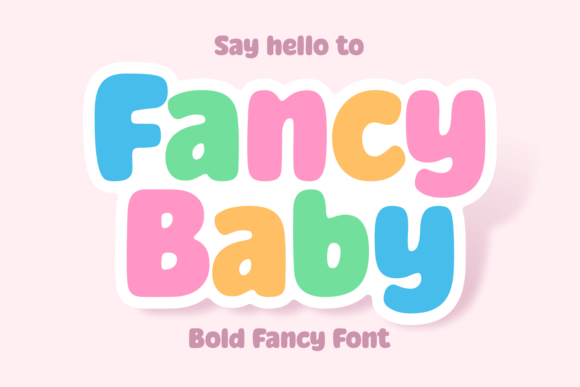
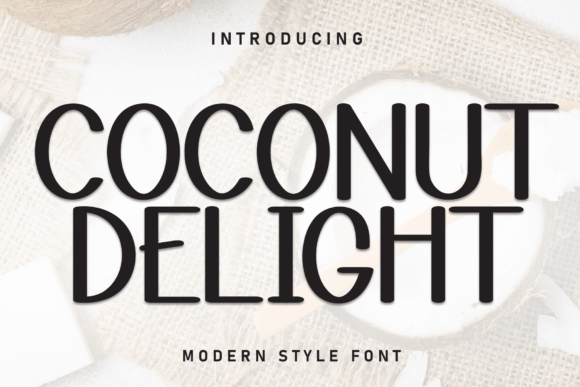
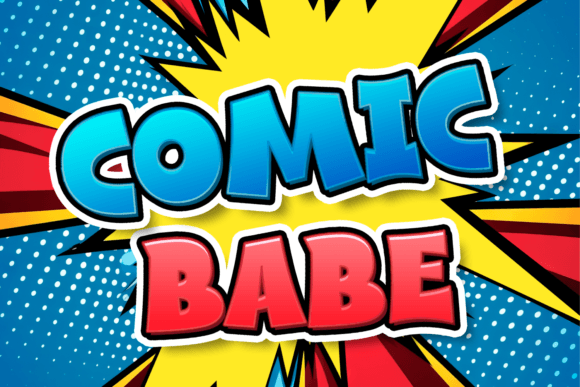
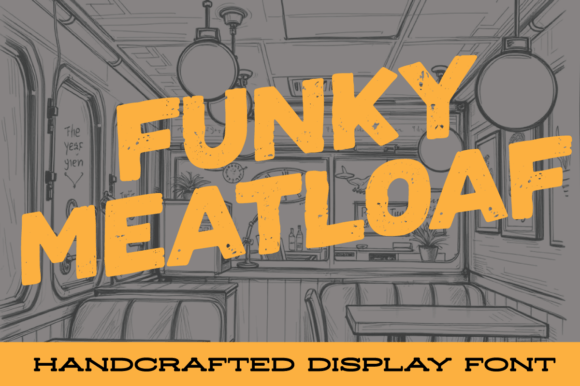
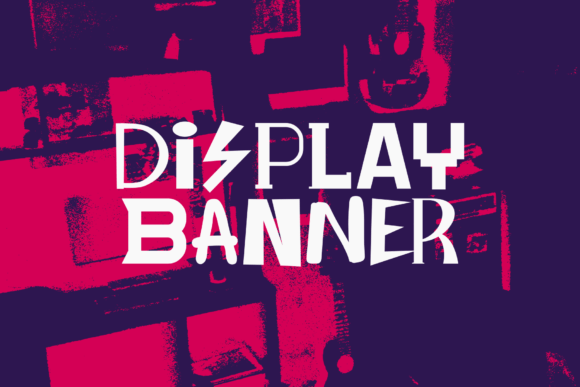
Display Banner is categorized as a display typeface, meaning it is intended for use at large sizes rather than in body text. Its design philosophy centers on boldness and individuality. Unlike standard sans-serif or serif fonts that aim for neutrality, every glyph in this family possesses exaggerated characteristics. These features might include varying stroke weights, unconventional terminals, or dynamic spacing that creates a sense of movement and energy.
The font asserts its uniqueness by steering clear of the geometric precision found in modernist typefaces or the historical rigidity of traditional serifs. Instead, it embraces an eclectic structure where each character tells a distinct visual story. This approach makes the font highly expressive, capable of conveying tone, mood, and brand personality without the need for additional graphical elements. When used correctly, Display Banner functions less like a vessel for words and more like an illustrative element itself.
Reasons to Consider This Typeface
Designers typically seek out Display Banner when they encounter a project that requires a departure from the norm. The primary motivation for selecting this font is the desire to create a strong first impression. In crowded digital environments or physical advertising spaces, generic typography often blends into the background. Display Banner offers a solution to this problem by providing immediate visual weight.
Furthermore, the font appeals to those looking to communicate specific brand attributes such as creativity, boldness, or non-conformity. Brands that position themselves as disruptors or innovators often find that standard typefaces fail to reflect their identity. The diverse nature of the glyphs allows for a level of artistic expression that rigid corporate fonts cannot match. It serves as a tool for differentiation, allowing a campaign to stand out through its very letterforms.
Benefits and Strategic Advantages
The most significant benefit of using Display Banner is its capacity to capture attention. Because the design is inherently striking, it reduces the time required for a viewer to notice a message. This is particularly valuable in advertising contexts where seconds count. The font's ability to function as a graphic element also simplifies design layouts; a headline set in this typeface can often carry the visual load of a poster, reducing the need for complex backgrounds or heavy imagery.
Additionally, the versatility within the style allows for creative experimentation. Designers can manipulate tracking (letter-spacing) and kerning to alter the mood of the text further. The unique shapes of the characters invite playfulness, making it suitable for campaigns that aim to be spirited or energetic. For projects that require a "loud" voice, Display Banner provides the necessary volume and character.
Tradeoffs and Limitations
Despite its strengths, Display Banner comes with significant tradeoffs that must be weighed carefully. The most critical limitation is legibility at small sizes. The intricate details and exaggerated forms that make the font attractive at large scales become muddy and difficult to read when reduced. Consequently, it is unsuitable for body copy, captions, or any text that requires prolonged reading.
Another consideration is the potential for visual fatigue. Because the font is so assertive, overusing it can overwhelm a layout. If every headline, subhead, and call-to-action utilizes this aggressive style, the design loses its focal points and becomes chaotic. Furthermore, the distinctive nature of the glyphs may clash with other design elements if not managed with care. It demands a minimalist approach to surrounding graphics to allow the typography to breathe.
Ideal Use Cases for Display Banner
To maximize the effectiveness of Display Banner, it should be reserved for situations where impact is the primary objective. Advertising posters are a natural fit, as the large format accommodates the font's detailed structure while leveraging its ability to grab attention from a distance. Similarly, spirited banners on websites or social media platforms benefit from the font's dynamic energy, helping to break through the noise of scrolling feeds.
The typeface is also well-suited for event promotions, concert flyers, and packaging designs for products targeting younger or trend-conscious demographics. In these scenarios, the goal is often to evoke an emotional response or signal excitement. Additionally, logo design is a strong candidate for this font, provided the brand name is short. The unique character of the glyphs can help a brand establish a memorable visual identity instantly.
When to Consider Alternatives
There are several scenarios where choosing Display Banner would be a strategic error. If the primary goal of the communication is clarity and information retention, a neutral sans-serif or a highly legible serif is a far better choice. Long-form content, such as blog posts, articles, or instructional manuals, requires a font that disappears into the background, allowing the reader to focus on the content rather than the form. Using Display Banner in these contexts would hinder comprehension and frustrate the user.
Furthermore, industries that rely on trust, stability, and professionalism—such as finance, healthcare, or legal services—may find the font too informal or distracting. In these sectors, a conservative typeface reinforces credibility. If the target audience consists of older demographics who may struggle with lower-contrast or irregular letterforms, a more traditional font is advisable. Finally, if a design already features complex illustrations or busy patterns, adding a bold display font like this one could result in visual clutter.
Practical Decision-Making Insights
Before committing to Display Banner, designers should conduct a rigorous evaluation of their specific project requirements. Start by defining the primary objective: Is the goal to inform or to impress? If the answer leans heavily toward impressing, this font is a viable option. Next, test the font at the actual size it will appear in the final medium. Print a mock-up or view it on the intended device screen to ensure the details remain crisp and readable.
Consider the pairing strategy early in the process. Since Display Banner is dominant, it requires a subdued partner for secondary text. Pairing it with a simple, clean sans-serif often creates a balanced hierarchy that guides the eye effectively. Avoid pairing it with other decorative fonts, as this will compete for attention and dilute the impact.
Finally, embrace the diversity of the font but exercise restraint. Fear not the experiment, but let the design dictate the usage. Use the font to speak volumes for your artistic expression only when the context supports such a bold statement. By aligning the font's inherent characteristics with the project's functional needs, you can harness its power without compromising usability. Ultimately, the decision to use Display Banner should be driven by a clear understanding of how it serves the audience and the message, ensuring that the design dares to be different for the right reasons.