Evaluating the Design Utility of Minsk Charlotte
In the crowded landscape of digital typography, finding a typeface that balances historical authenticity with modern usability is a persistent challenge for designers. Minsk Charlotte emerges as a compelling solution for those seeking a distinctive modern calligraphy font that does not rely on generic templates. Unlike many script fonts that prioritize decorative flair over legibility, this typeface is grounded in the rigorous traditions of copperplate penmanship. For professionals ranging from brand strategists to independent publishers, understanding the specific mechanics and aesthetic value of Minsk Charlotte is essential before integrating it into a workflow.
The Foundation of Copperplate Precision
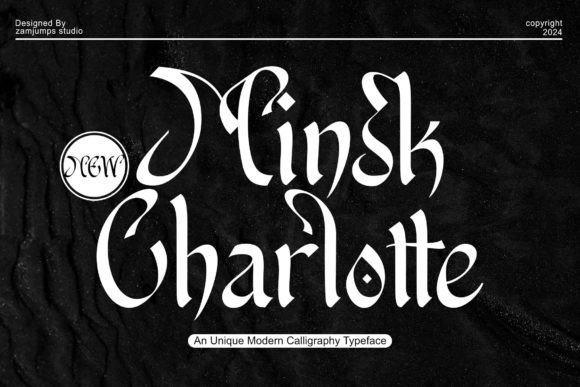
The defining characteristic of Minsk Charlotte lies in its creation process. It was not generated by algorithmic smoothing or vector manipulation alone; rather, each letterform was meticulously designed to replicate the fluidity and precision of a physical copperplate pen. This distinction is critical for designers who require a font that retains the organic tension found in handcrafted strokes. The variation in stroke width—where thick downstrokes contrast sharply with delicate upstrokes—is not merely an aesthetic choice but a structural element that dictates the rhythm of the text.
This attention to technique ensures that the font possesses a harmonious character often missing in mass-produced scripts. When examining the glyphs closely, one can observe the subtle imperfections and pressure variations that mimic human handwriting without sacrificing the consistency required for digital rendering. This balance makes Minsk Charlotte particularly valuable for projects where the perception of authenticity is paramount. It avoids the sterile, uniform look of many digital scripts, offering instead a sense of refined artistry that elevates the visual hierarchy of any layout.
Performance in Branding and Identity Systems
For entrepreneurs and small business owners, logo design is often the first point of contact with a potential client. Minsk Charlotte excels in this arena due to its sophisticated design language. Its elegant, handcrafted strokes convey a sense of luxury and exclusivity, making it an ideal candidate for industries such as high-end fashion, boutique hospitality, wedding planning, and artisanal goods. However, its utility extends beyond simple decoration; the font's structure allows it to function effectively as a standalone brand mark or as a complementary element within a broader identity system.
When evaluating its performance in advertising and social media, the font demonstrates strong versatility. In the fast-paced environment of social media feeds, where visual noise is constant, Minsk Charlotte stands out through its clarity and distinctiveness. The letters are spaced and proportioned to remain legible even at smaller sizes, a crucial factor for mobile-first content strategies. Marketers can leverage this font for title writing and headline overlays, ensuring that their messaging captures attention without appearing cluttered or overly ornate. The ability to maintain visual appeal across various digital platforms underscores its reliability as a core asset in a marketing toolkit.
Practical Considerations for Typography Selection
While Minsk Charlotte offers significant aesthetic advantages, practical application requires a nuanced approach. Like any display script, it is best suited for short-form text. Using it for extended body copy can lead to readability issues, as the intricate details of the copperplate style may become difficult to parse in long paragraphs. Therefore, the most effective strategy involves pairing Minsk Charlotte with a clean, neutral sans-serif or serif typeface for body text. This combination creates a balanced typographic hierarchy where the script font commands attention for headers and key phrases, while the secondary font ensures information is conveyed efficiently.
Designers should also consider the context of the audience. While the font appeals to demographics valuing tradition and elegance, it may feel out of place in sectors requiring a strictly utilitarian or industrial aesthetic. For instance, a tech startup focused on disruptive innovation might find the classic craftsmanship of Minsk Charlotte too traditional, whereas a heritage brand or a creative agency would likely benefit from its timeless appeal. Understanding these contextual boundaries is key to maximizing the font's impact.
Flexibility and Long-Term Value
The longevity of a typeface in a designer's library depends on its flexibility and adaptability. Minsk Charlotte demonstrates strong potential for long-term value because it bridges the gap between modern minimalism and classic calligraphy. As design trends shift away from ultra-bold, geometric sans-serifs toward more organic and human-centric aesthetics, fonts with genuine handcrafted qualities are gaining traction. By investing in a font like Minsk Charlotte, creators ensure their work remains relevant as the market moves toward appreciating texture and nuance.
Furthermore, the font's consistent quality across different weights and styles (if available in extended kits) allows for cohesive branding across multiple touchpoints. Whether used for book typography, packaging labels, or website headers, the underlying design principles remain intact. This consistency builds trust with the audience, as the brand voice remains visually unified. For freelancers and agencies managing diverse client portfolios, having a reliable, high-quality script font reduces the time spent searching for assets and streamlines the production process.
Ideal Use Cases and Audience Fit
To determine if Minsk Charlotte fits your specific needs, consider the nature of your current projects. The font is particularly well-suited for:
- Wedding and Event Stationery: The romantic yet precise nature of the strokes aligns perfectly with invitations, menus, and signage.
- Luxury Packaging: Product labels for cosmetics, spirits, or gourmet foods benefit from the font's implication of quality and care.
- Editorial Design: Book covers, magazine headlines, and chapter titles gain a literary sophistication when set in this typeface.
- Social Media Graphics: Quote cards, promotional banners, and story highlights utilize the font's ability to draw the eye quickly.
Conversely, situations requiring high-speed readability, such as technical manuals, safety instructions, or dense data visualization, are not appropriate for Minsk Charlotte. Recognizing these limitations prevents misuse and ensures the font enhances rather than hinders communication.
Conclusion on Practical Application
Ultimately, Minsk Charlotte represents a thoughtful intersection of artistic craft and digital functionality. It offers a sophisticated tool for those looking to elevate their brand identity or add a touch of elegance to their content without resorting to clichéd script styles. Its strength lies in the meticulous design that captures the essence of copperplate penmanship while remaining robust enough for modern applications. For professionals seeking a font that delivers both visual impact and enduring quality, Minsk Charlotte provides a reliable option that stands the test of scrutiny. By understanding its strengths and applying it within the appropriate contexts, designers can create memorable impressions that resonate with audiences and enhance the overall value of their work.