Scary Dormitory: Evaluating a Dripping Paint Font for Halloween Design Projects
When curating visual assets for seasonal campaigns, designers often face the challenge of balancing thematic appropriateness with legibility and aesthetic cohesion. Scary Dormitory emerges as a distinct option in this landscape, offering a specific stylistic approach that mimics the appearance of wet, dripping paint applied with urgent, chaotic strokes. This typeface is not merely a decorative element; it serves as a functional tool for establishing immediate atmospheric tone in Halloween-themed designs. Understanding its unique characteristics, practical applications, and limitations is essential for making an informed decision about whether it fits your current project requirements.
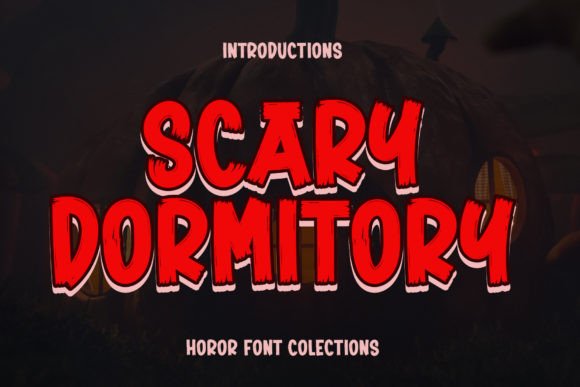
The core appeal of Scary Dormitory lies in its texture and movement. Unlike static serif or sans-serif fonts that rely on clean lines and uniform weight, this font captures the visceral quality of horror through irregular edges and elongated drips. It evokes the imagery of blood, slime, or decaying organic matter, which can be highly effective for creating an instant emotional response from viewers. However, this intense stylization comes with tradeoffs that must be carefully weighed against the goals of your design.
Distinctive Characteristics and Visual Impact
To evaluate Scary Dormitory effectively, one must first understand what sets it apart from generic spooky typography. Many Halloween fonts rely on clichéd elements such as jagged edges, cobwebs, or cartoonish bones. Scary Dormitory differentiates itself by focusing on fluidity and gravity. The "dripping" effect is not just an overlay but is integrated into the structure of each glyph. This gives the text a sense of motion and instability, which psychologically reinforces feelings of unease or danger.
The brush-like quality suggests a human hand, albeit a frantic or menacing one. This adds a layer of authenticity that vector-perfect fonts often lack. For projects aiming to feel gritty, raw, or handmade, this aesthetic is invaluable. It works particularly well when paired with high-contrast backgrounds, such as deep blacks or stark whites, where the details of the drips can be clearly discerned. The font’s weight is generally bold, ensuring it commands attention even at smaller sizes, though intricate details may blur if reduced too significantly.
Comparing Stylistic Approaches: When to Choose Dripping Effects
Choosing a typeface is rarely about finding the "best" font in isolation; it is about finding the right fit for the context. Scary Dormitory occupies a specific niche within the broader category of display fonts. To determine if it is the right choice, it helps to compare it against other common stylistic approaches used in horror and thriller design.
- Contrast with Clean Serifs: Traditional horror posters sometimes use elegant serif fonts to create a sense of gothic sophistication or psychological dread. If your goal is subtle, creeping horror rather than overt shock, Scary Dormitory may be too aggressive. Its loud visual voice can overwhelm delicate layouts.
- Contrast with Distorted Sans-Serifs: Some modern horror designs use glitch effects or digital distortion to convey technological fear. Scary Dormitory, with its organic, liquid appearance, is better suited for supernatural, slasher, or biological horror themes. It feels analog and physical, whereas glitch fonts feel digital and abstract.
- Contrast with Handwritten Scripts: While both styles imply a human touch, handwritten scripts often convey personal notes or diary entries. Scary Dormitory is less about intimacy and more about threat. It is ideal for headlines and warnings rather than narrative body text.
This comparison highlights that Scary Dormitory is a specialized tool. It excels in environments where the primary objective is to signal danger, decay, or chaos. It is less effective for projects requiring neutrality, elegance, or readability over long passages.
Practical Use Cases and Best-Fit Scenarios
Understanding the strengths of Scary Dormitory allows designers to deploy it strategically. Here are several scenarios where this font typically delivers strong results:
- Event Posters and Flyers: For haunted houses, Halloween parties, or horror movie screenings, the font’s immediate visual impact helps capture attention in crowded social media feeds or physical bulletin boards. The dripping effect communicates the theme instantly without needing additional explanatory graphics.
- Product Packaging: Limited-edition Halloween treats, spicy sauces, or themed merchandise can benefit from the font’s playful yet menacing vibe. It adds a tactile quality to labels that suggests something messy or intense, aligning well with products that promise a strong sensory experience.
- Digital Banners and Web Headers: When used sparingly as a header element, Scary Dormitory can set the tone for a landing page. However, it should be reserved for short phrases. Using it for navigation menus or body copy would severely hinder user experience due to reduced legibility.
- Social Media Graphics: Short, punchy quotes or announcements related to October events perform well with this font. The visual noise of the drips stands out against the clean interfaces of platforms like Instagram or TikTok, stopping the scroll effectively.
In each of these cases, the font acts as a primary visual anchor. It does the heavy lifting of establishing mood, allowing other design elements to remain simpler and more functional.
Limitations and Legibility Considerations
While Scary Dormitory offers strong atmospheric benefits, it is not without significant limitations. The most critical factor to consider is legibility. The dripping extensions and irregular shapes can make certain characters difficult to distinguish, especially when viewed at a distance or on low-resolution screens. Letters like 'I', 'l', and '1' may blend together, and complex words can become visual clutter rather than readable text.
Therefore, this font is unsuitable for body text, legal disclaimers, or any content where information clarity is paramount. It is strictly a display font. Designers must also be mindful of spacing. Standard kerning settings may not account for the extended drips, leading to overlapping letters or awkward gaps. Manual adjustment of letter spacing is often required to ensure the text breathes properly and the drips do not collide with adjacent characters.
Another limitation is thematic saturation. Because the dripping paint aesthetic is strongly associated with Halloween, using Scary Dormitory outside of this seasonal context can feel jarring or inappropriate. It lacks the versatility of neutral typefaces that can adapt to various tones. Once the holiday passes, the font may feel outdated or out of place unless the brand identity is permanently tied to horror aesthetics.
Making an Informed Decision
Deciding whether to incorporate Scary Dormitory into your design toolkit requires a clear assessment of your project’s goals. Ask yourself the following questions:
- Is the primary goal to evoke fear, excitement, or chaos?
- Will the text be read quickly as a headline, or does it need to be studied in detail?
- Does the rest of the design support a gritty, organic aesthetic, or is it clean and modern?
- Is the project time-bound to the Halloween season, or is it evergreen?
If the answers point toward short-term, high-impact visual communication with a horror theme, Scary Dormitory is a strong candidate. Its ability to convey mood instantly can save time on graphic embellishments. However, if your project requires subtlety, long-form readability, or year-round relevance, you may need to explore alternative typefaces that offer more flexibility.
Ultimately, Scary Dormitory is a powerful asset when used with intention. It is not a universal solution but a specialized instrument for specific emotional effects. By respecting its limitations and leveraging its strengths, designers can create compelling, memorable visuals that resonate with their audience during the spooky season. Always test the font in its intended medium before finalizing your design to ensure the drips render correctly and the message remains clear.