Evaluating the Hallowen Season Font for Design Projects
In the landscape of digital typography, few categories evoke as much specific emotion and seasonal context as holiday-themed fonts. Among these, Hallowen Season stands out as a distinct option for designers seeking to incorporate retro aesthetics into their October projects. This typeface is not merely a standard letter set; it is a graphical tool designed to inject playful nostalgia into visual communications. For professionals and hobbyists alike, understanding the capabilities, limitations, and appropriate use cases of Hallowen Season is essential before integrating it into a workflow.
Understanding the Aesthetic and Technical Structure
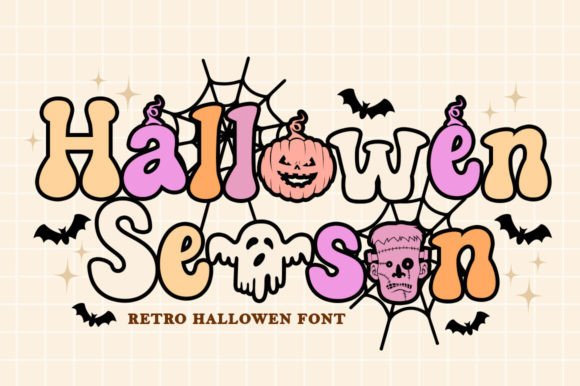
Hallowen Season is defined by its whimsical character set and vintage-inspired design language. Unlike modern sans-serif or clean serif fonts that prioritize legibility above all else, this typeface prioritizes atmosphere. Every glyph in the font is adorned with specific Halloween elements, ranging from adorable ghosts and bats to other spooky motifs typical of mid-century holiday ephemera. The result is a "display" font where the text itself acts as an illustration.
Technically, the font utilizes Private Use Area (PUA) encoding. This is a critical technical detail for potential users. PUA encoding allows the font file to contain hundreds of unique glyphs, ligatures, and decorative characters that do not have standard Unicode assignments. This means that while the basic alphabet functions normally, accessing the full library of Halloween graphics requires specific software support or knowledge of how to trigger alternate characters. This structure enables a high degree of customization but introduces a learning curve compared to standard system fonts.
Reasons to Consider Hallowen Season
Designers might be drawn to Hallowen Season for several practical reasons, primarily centered around the need for thematic consistency without excessive manual graphic work. When creating party invitations, event posters, or social media assets, the goal is often to establish a mood instantly. This font achieves that by embedding the theme directly into the typography.
- Nostalgic Appeal: The font captures a "bygone era" feel, reminiscent of 1950s and 60s Halloween memorabilia. This is valuable for brands or individuals aiming for a lighthearted, charmingly eerie vibe rather than a horror-focused aesthetic.
- Visual Variety: Because of the PUA encoding, the font offers a wide array of ligatures and special characters. Users can create unique word combinations where letters interact with icons, adding a layer of depth that standard fonts cannot provide.
- Efficiency in Decoration: Instead of searching for separate clip art of bats or pumpkins to place around text, the user can integrate these elements directly into the letterforms, streamlining the design process for small-scale projects.
Benefits and Tradeoffs in Practical Application
While the visual appeal of Hallowen Season is evident, a balanced evaluation requires acknowledging the tradeoffs inherent in using such a stylized typeface. The primary benefit is the immediate establishment of tone. A headline written in this font communicates "fun Halloween party" more effectively than a generic bold font paired with stock images.
However, the tradeoff lies in readability and versatility. Display fonts like this are generally unsuitable for body copy. The intricate details and graphical embellishments on every letter can make reading large blocks of text difficult, especially at smaller sizes or on low-resolution screens. Furthermore, the reliance on PUA encoding means that if a designer shares a project file with someone who does not have the font installed, or if the rendering software does not support the specific PUA mappings correctly, the decorative elements may appear as missing characters or blank spaces.
Another consideration is the "cuteness" factor. The font leans heavily toward the adorable and whimsical side of the spectrum. It features cute ghosts and friendly bats. If a project requires a darker, scarier, or more sophisticated Halloween theme—such as a haunted house attraction or a gothic literary event—this font may undermine the intended seriousness of the message.
Ideal Situations for Use
To determine if Hallowen Season aligns with your goals, consider the specific context of your project. This font is a strong fit for situations where brevity and impact are paramount.
- Event Invitations: For birthday parties, school events, or community gatherings, the font works exceptionally well for headlines and names. The short nature of invitation text mitigates readability concerns.
- Decorative Signage: Small signs for doorways, photo booths, or treat tables benefit from the illustrative nature of the font. At close range, the details are appreciated, and the text serves more as decoration than information.
- Social Media Graphics: In Instagram stories or Facebook posts where text is limited to captions or overlays, the font adds immediate visual interest and seasonal relevance.
- Retro-Themed Branding: Businesses selling vintage-style candy, costumes, or decorations can use this font to reinforce their brand identity as nostalgic and fun.
When to Consider Alternatives
There are scenarios where choosing Hallowen Season would be counterproductive. If the project involves long-form content, such as a newsletter, a blog post, or a menu with many items, a cleaner typeface is necessary. Legibility should never be sacrificed for style when the audience needs to read quickly.
Additionally, if the target demographic includes young children who are still learning to read, the complex shapes of the letters might confuse them. In educational materials, clarity is key. Similarly, for professional corporate communications or formal announcements related to Halloween, a more subdued font paired with appropriate imagery is likely a better choice to maintain professionalism.
Finally, if the design workflow involves multiple collaborators across different operating systems or software platforms, the complexity of PUA-encoded fonts can introduce compatibility risks. In such collaborative environments, a standard OpenType font with simpler alternates might ensure smoother file sharing and consistent rendering.
Decision-Making Insights
Ultimately, the decision to use Hallowen Season comes down to balancing atmospheric intent with functional requirements. Before downloading or purchasing, ask yourself: Is the text short enough to remain readable? Does the "cute retro" vibe match the specific tone I want to convey? Do I have the technical setup to access the full range of PUA glyphs?
If the answer to these questions is yes, this font can be a delightful asset that brings a unique charm to your designs. It offers a shortcut to a specific aesthetic that would otherwise require significant graphic design effort. However, if the priority is maximum legibility, broad accessibility, or a serious tone, exploring alternative typefaces that offer Halloween themes through color and pairing rather than intricate glyph manipulation may be the more prudent path. By evaluating these factors, designers can ensure their choice of typography enhances their project rather than complicating it.