Mastering the Aesthetic of One Jinja: A Guide to Japanese Brush Typography
In the vast landscape of digital typography, where clean sans-serifs and geometric slabs often dominate screen interfaces, there is a distinct hunger for authenticity. Designers and creatives are increasingly seeking typefaces that carry the weight of history and the warmth of human touch. Enter One Jinja, a font that bridges the gap between ancient tradition and modern design. This unique typeface captures the essence of Japanese calligraphy, offering a visual experience that feels less like a computer-generated string of characters and more like a master artist at work with a traditional brush.
Whether you are a graphic designer looking to elevate a poster, a business owner crafting a logo for an authentic sushi restaurant, or an educator creating culturally immersive materials, understanding the nuances of One Jinja can transform your projects. This article explores the origins, characteristics, and practical applications of this remarkable font, helping you harness its power effectively.
The Essence of One Jinja: More Than Just a Font
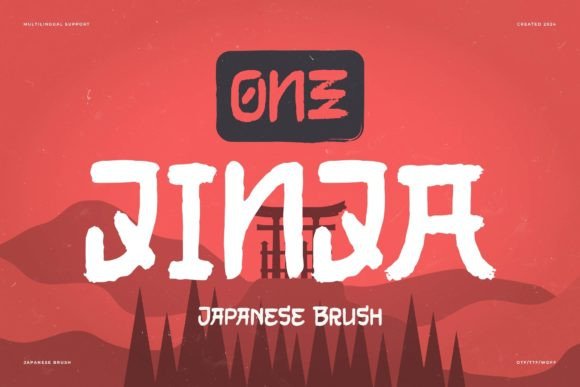
To truly appreciate One Jinja, one must first understand what it represents. It is not merely a collection of letters; it is a digital interpretation of Shodo, the art of Japanese calligraphy. In traditional Shodo, the beauty lies in the imperfection—the varying thickness of strokes, the dryness of the ink, and the dynamic flow of the hand. One Jinja replicates these qualities with impressive fidelity.
The font is characterized by its flowing, artistic feel. Unlike rigid, uniform fonts where every stroke has the same width, One Jinja features bold strokes that taper into soft curves, mimicking the pressure changes applied by a calligrapher's hand. This creates a unique, handmade look that immediately signals craftsmanship. When you use this font, you are invoking a sense of heritage and cultural depth that standard typefaces simply cannot achieve.
Key Visual Characteristics
- Variable Stroke Width: The defining feature of One Jinja is the dramatic shift between thick and thin lines, simulating the natural movement of a brush on paper.
- Organic Curves: The edges of the characters are rarely perfectly smooth; they possess a slight texture that suggests the absorption of ink into rice paper.
- Dynamic Flow: The letters connect visually through their rhythm, creating a sense of motion even when static.
- Authentic Texture: Subtle irregularities prevent the text from looking sterile or mass-produced.
Why Authenticity Matters in Modern Design
In an era of AI-generated content and pixel-perfect vector graphics, the "human element" has become a premium asset. Consumers are becoming more sophisticated in their ability to distinguish between generic stock imagery and genuine artistic expression. This is where the significance of One Jinja becomes clear. It serves as a visual anchor, grounding a design in reality and emotion.
Consider the context of branding. A tea shop using a standard Helvetica font might convey efficiency, but it lacks soul. By switching to One Jinja for their signage or packaging, the brand instantly communicates tradition, patience, and quality. The font acts as a silent ambassador for the values of the business. It tells a story before a single word is read.
Furthermore, in the realm of digital marketing, standing out is crucial. Social media feeds are cluttered with uniform aesthetics. A headline written in One Jinja breaks the visual pattern, catching the eye and inviting the viewer to pause. It suggests that the content behind it is curated, thoughtful, and special.
Practical Applications: Where to Use One Jinja
While One Jinja is undeniably beautiful, it is also a tool that requires strategic application. Its bold and expressive nature makes it perfect for specific use cases where impact and atmosphere are paramount.
1. Logos and Brand Identity
For businesses rooted in culture, cuisine, or wellness, One Jinja is an ideal choice for logos. Imagine a martial arts dojo, a high-end ramen bar, or a mindfulness retreat. A logo utilizing this font conveys strength and grace simultaneously. However, designers should be cautious about legibility at very small sizes. It is best used as a primary display element rather than for fine print.
2. Posters and Event Invitations
Posters are the natural home for brush-style fonts. Whether promoting a jazz festival, a cultural exhibition, or a wedding with an Asian theme, One Jinja adds an immediate layer of sophistication. The flowing strokes guide the eye across the page, making the layout feel organic. For invitations, the font adds a personal, handwritten touch that feels intimate and exclusive.
3. Book Covers and Editorial Design
In publishing, the cover is the hook. For novels set in historical Japan, cookbooks featuring Asian cuisine, or coffee table books on art, One Jinja provides the necessary thematic resonance. It sets the mood instantly, preparing the reader for the journey within.
4. Web Headers and Hero Sections
On the web, whitespace is king, and bold typography is the queen. Using One Jinja for a hero section header can create a stunning focal point. Pair it with a clean, neutral background and a simple sans-serif body font to ensure readability while maintaining the aesthetic appeal.
Navigating Common Misunderstandings
Despite its popularity among creative professionals, there are common misconceptions regarding the use of Japanese brush fonts like One Jinja. Addressing these ensures that the font is used respectfully and effectively.
- Misconception: "It looks messy." While the font is designed to look handmade, it is still a structured typeface. The "messiness" is actually controlled chaos intended to mimic art. If it looks too chaotic, it may be due to poor kerning (spacing between letters) or pairing it with other overly decorative elements.
- Misconception: "It is only for Japanese themes." While its roots are Japanese, the aesthetic of the brush stroke is universal. It can be used for any project requiring a sense of artistic flair, creativity, or organic movement, regardless of the subject matter.
- Misconception: "It is hard to read." Like all display fonts, One Jinja is not meant for long paragraphs of body text. Its purpose is to grab attention. When used correctly for headlines and short phrases, it remains highly legible and impactful.
Integrating One Jinja into Your Workflow
For beginners and experienced designers alike, integrating a font like One Jinja requires a balance of intuition and technical skill. Here are a few tips to get started:
Pairing is Key: Never let One Jinja stand alone without support. Pair it with a clean, minimalist sans-serif or a classic serif font for body copy. This contrast allows the brush font to shine without overwhelming the reader. The simplicity of the supporting text highlights the complexity of the One Jinja headlines.
Respect the White Space: Because the strokes of One Jinja are bold and expansive, they need room to breathe. Avoid crowding the text. Generous margins and padding will enhance the elegance of the design and prevent the characters from clashing.
Color Matters: Traditional calligraphy is often black on white or cream. Sticking to high-contrast color schemes—such as deep charcoal, rich reds, or gold against dark backgrounds—can enhance the authentic feel. However, don't be afraid to experiment with gradients or textured overlays to give it a modern twist.
The Broader Impact on Creativity and Culture
Beyond its utility in design software, the existence and popularity of fonts like One Jinja play a significant role in cultural appreciation. They make the aesthetics of Japanese calligraphy accessible to a global audience. Designers who may never hold a brush can still incorporate the spirit of Shodo into their work, fostering a cross-cultural dialogue through visual language.
Moreover, in education, such fonts can be powerful tools. Teachers can use them to introduce students to the concept of Eastern art forms, sparking interest in the history and philosophy behind the strokes. It transforms a simple lesson plan into a vibrant, engaging experience.
Conclusion: Embracing the Handmade Spirit
One Jinja is more than a downloadable file; it is a gateway to a world of artistic expression. By capturing the bold strokes and soft curves of traditional Japanese calligraphy, it offers designers a way to infuse their work with authenticity and soul. Whether you are designing a logo, planning an event, or simply exploring the world of typography, this font provides a unique voice that stands apart from the digital noise.
As we move forward in a hyper-digital age, the value of the handmade, the imperfect, and the human becomes ever more precious. One Jinja reminds us of this truth, inviting us to slow down, appreciate the craft, and create designs that resonate on a deeper level. By understanding its purpose and applying it with care, you can unlock new dimensions of creativity in your own projects.