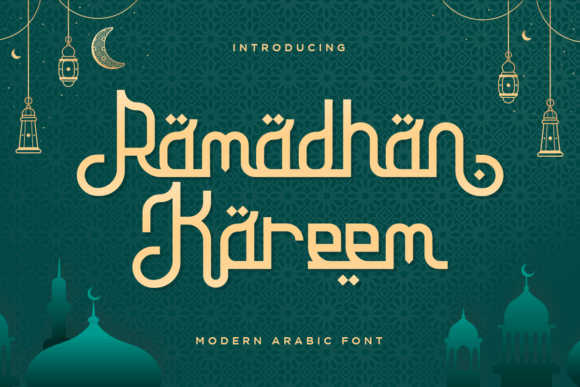
Ramadhan Kareem: An Evaluation of the Calligraphic Font
In the realm of digital typography, few categories are as culturally significant and technically nuanced as Arabic script. For designers working on projects related to the holy month of Ramadan, selecting the appropriate typeface is a critical decision that balances aesthetic appeal with cultural reverence. Ramadhan Kareem is a specific font designed to address these needs, offering a calligraphic style intended to capture the spirit of the season. This evaluation examines the characteristics, technical specifications, and practical applications of the Ramadhan Kareem font to assist users in determining its suitability for their specific design requirements.
Understanding the Design Philosophy
The Ramadhan Kareem font is not merely a set of characters; it is a digital representation of traditional Arabic calligraphy adapted for modern screen and print usage. The design prioritizes intricate letterforms and graceful curves, mimicking the fluidity found in hand-drawn Islamic art. Unlike standard sans-serif or serif Arabic fonts which prioritize legibility at small sizes, this typeface leans heavily into decorative elements. It features elaborate swashes, connecting ligatures, and ornamental details that evoke a sense of tradition and elegance.
The primary intent behind this font is to serve as a visual anchor for religious and celebratory content. It is engineered to stand out in large formats, such as banners, greeting cards, and poster headers. The "Ramadhan Kareem" name itself reflects its thematic focus, ensuring that the typography aligns semantically with the occasion it represents. For users seeking a typeface that communicates respect and cultural richness without requiring manual illustration, this font offers a pre-packaged solution that bridges the gap between traditional artistry and digital convenience.
Technical Considerations: PUA Encoding
A crucial aspect of evaluating any decorative font is understanding its encoding structure. The Ramadhan Kareem font utilizes Private Use Area (PUA) encoding. In standard Unicode, characters are mapped to specific code points to ensure universal compatibility across different operating systems and software. However, decorative fonts often require hundreds of unique glyphs—such as alternate letters, swashes, and special ornaments—that do not fit within the standard character set.
By using PUA encoding, the designer has placed these extra glyphs in a reserved section of the font file. This allows the user to access all the "cute" and intricate variations without breaking the text flow in supported applications. The benefit of this approach is the ability to create highly customized designs where every letter can be individually styled. However, there is a tradeoff. PUA-encoded fonts require specific keyboard mapping or glyph selection tools within design software like Adobe Illustrator or Photoshop. Users cannot simply type a sentence and expect the decorations to appear automatically; they must manually select the specific PUA characters from the font menu. This adds a layer of complexity to the workflow compared to standard OpenType fonts with automatic stylistic sets.
Ideal Use Cases and Strong Fits
Determining whether Ramadhan Kareem is the right choice depends largely on the context of the project. There are several scenarios where this font excels:
- Celebratory Greetings: For Eid al-Fitr cards, Ramadan invitations, and social media graphics, the font's ornate nature provides an immediate festive atmosphere. The visual weight of the script commands attention and conveys warmth.
- Large Format Print: Banners, mosque signage, and event backdrops benefit from the high detail of the letterforms. At large scales, the intricate curves and swashes remain visible and impactful.
- Religious Publications: Book covers, magazine headers, or introductory pages for religious texts can use this font to establish a tone of reverence before switching to a more legible body font for the main text.
- Branding Elements: For businesses launching Ramadan-specific collections, using this font in logos or promotional tags can signal cultural awareness and seasonal relevance.
In these situations, the font serves as a decorative element rather than a functional one. Its strength lies in its ability to elevate a design from generic to culturally specific with minimal effort, provided the user is comfortable navigating the PUA glyph palette.
Tradeoffs and Limitations
While visually striking, the Ramadhan Kareem font is not a universal solution for all Arabic typography needs. Several limitations should be considered before committing to it for a project:
- Readability Issues: Due to the heavy decoration and complex connections between letters, this font is poorly suited for body text. Reading long paragraphs in this style can cause eye strain and reduce comprehension. It should be restricted to headlines, titles, or short phrases.
- Workflow Complexity: As mentioned regarding PUA encoding, the manual selection of glyphs increases production time. If a project requires rapid iteration or involves multiple team members who may not know how to access the private glyphs, collaboration can become difficult.
- Compatibility Risks: While most professional design software handles PUA well, web browsers and mobile devices may not render these characters correctly unless specific CSS techniques are employed. Using this font for responsive web design requires careful testing to ensure fallback mechanisms are in place.
- Lack of Versatility: The font is thematically locked to the Ramadan aesthetic. It lacks the neutrality required for general business communication or non-religious contexts. Attempting to use it outside of its intended scope may result in a design that feels mismatched or inappropriate.
When to Consider Alternatives
There are distinct situations where opting for a different typeface would be a more strategic decision. If the primary goal is maximum legibility across various mediums, a standard Naskh or Kufi style font is superior. These alternatives offer cleaner lines and better readability for both print and digital screens, making them ideal for websites, mobile apps, and lengthy documents.
Furthermore, if the project involves dynamic text generation—where content changes frequently via code—a PUA-encoded font like Ramadhan Kareem may present technical hurdles. In such cases, a variable font or a standard OpenType font with automatic ligature support is preferable. Additionally, for projects targeting a global audience unfamiliar with Arabic script nuances, a simpler geometric Arabic font might communicate the message more clearly without overwhelming the viewer with ornamentation.
Decision-Making Insights
To determine if the Ramadhan Kareem font aligns with your goals, ask yourself three key questions. First, what is the primary function of the text? If it is decorative and short, this font is a strong contender. If it is informational and long, look elsewhere. Second, does your workflow allow for manual glyph selection? If you need to type quickly and rely on automatic formatting, the PUA structure may hinder efficiency. Third, is the cultural context strictly tied to Ramadan? If so, the thematic resonance of this font adds value; otherwise, a more neutral Arabic typeface is likely safer.
Ultimately, the Ramadhan Kareem font is a specialized tool designed for specific aesthetic outcomes. It offers a sophisticated way to honor tradition in digital spaces but demands a certain level of technical proficiency and design discipline to use effectively. By understanding its strengths in creating visual impact and its limitations regarding readability and workflow, designers can make informed choices that enhance their projects while respecting the cultural significance of the script.